



Investing in regional growth and employment pathways

The APS is helping regional communities, people and businesses build strong and sustainable local economies. By working closely with employers, industry, community organisations and local leaders, agencies are creating opportunities for growth, employment and investment across Australia.
Place-based approaches are helping communities respond to economic change and make the most of emerging opportunities. The APS is supporting workforce planning, skills development and career transitions, particularly in regions experiencing industry change or benefiting from Australia’s transition to net zero. These efforts help workers access new opportunities while supporting local businesses and industries.
In remote and regional Australia, community-led partnerships are creating jobs, supporting enterprise development and building local capability. By strengthening economic participation and investing in local strengths, the APS is helping regional communities attract investment, build resilience and share in the benefits of long-term economic growth.
Supporting communities through workforce transition
When the Whyalla Steelworks entered administration in February 2025, workers, families and businesses faced significant uncertainty. The Department of Employment and Workplace Relations (DEWR) responded by leading the Whyalla Transition Support Network. The network is a coordinated, place-based response designed to help the community navigate a period of major economic disruption.
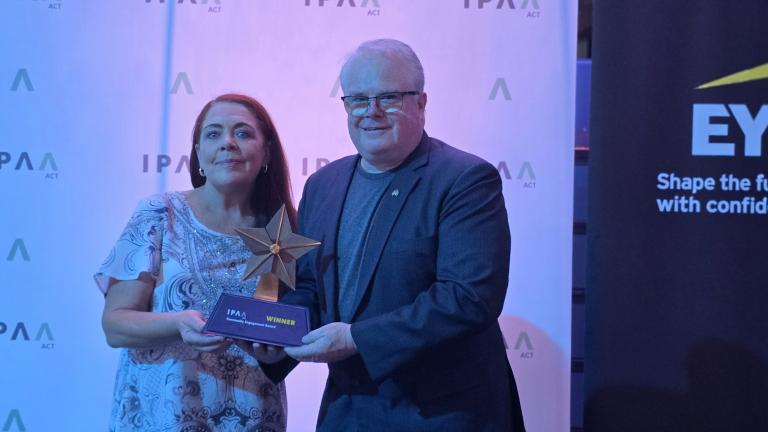
Alan Sibbons, Department of Employment and Workplace Relations South Australia Relationship and Engagement Manager, and Kylee Blot, National Transition Support Network, accept the 2025 Spirit of Service Award for Community Engagement.
Image: Department of Employment and Workplace Relations
DEWR worked closely with partners across the Australian Government, Government of South Australia and local government. This included:
- Apprenticeship Employment Network SA
- North West Country South Australia Job Coordinator
- Regional Development Australia Eyre Peninsula
- Resources and Engineering Skills Alliance
- the South Australian Skills Commission
- Whyalla City Council
These partnerships extended across employment, business and community support services. They created a coordinated network that helped workers, businesses and families access the assistance they needed. This collaborative approach enabled services to respond quickly to changing community requirements and support the region through a period of transition.
This integrated model enabled services to be mobilised quickly and ensured affected workers received clear, consistent and timely information. Strong connections between partners also improved referrals across employment, training and community support services. This helped people access the assistance they needed when they needed it.
The initiative delivered tangible benefits across the region, with 124 workers accessing the Career Transition Service, resulting in 20 employment outcomes. The service has made 30 referrals to the $1.1 million Whyalla Skills Fund, supporting access to 90 training opportunities. Participants received a range of assistance. This included resume preparation, cover letters, training and reskilling applications, vacancy updates, and referrals to employment and training providers. Businesses were connected with assistance measures that helped sustain local economic activity during a period of uncertainty.
The initiative demonstrated how place-based collaboration can reduce the social and economic impacts of large-scale workforce change while supporting communities through periods of transition. This includes providing on-the-ground coordination and connections to employment, reskilling and wellbeing services.
The success of the initiative was recognised through the 2025 Institute of Public Administration Australia Spirit of Service Award. The award highlights the impact of a collaborative approach to help support workers, families and businesses through a significant workforce transition.
Building regional workforce resilience
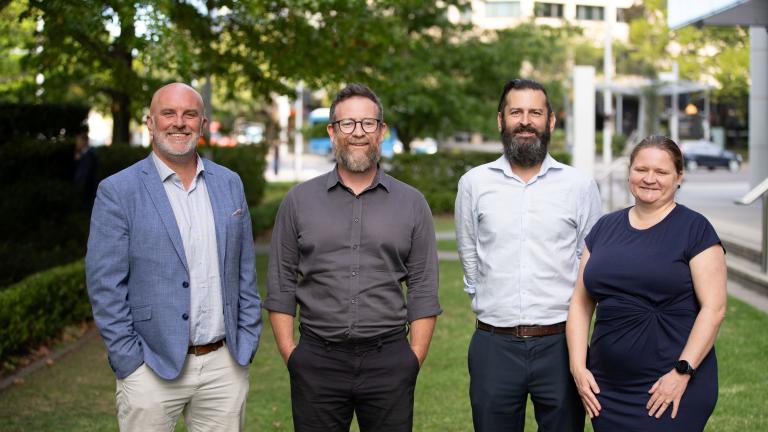
Regional Workforce Transition Officers from the Department of Employment and Workplace Relations.
Image: Department of Employment and Workplace Relations
Australia's transition to a net zero economy is creating new opportunities for regional communities while reshaping traditional industries and workforces. Supporting workers, businesses and communities through this change requires a coordinated approach by government that reflects the unique circumstances of each region.
Helping communities prepare for and respond to this change are Regional Workforce Transition Officers (RWTOs) from the Department of Employment and Workplace Relations. RWTOs are based in the Hunter in New South Wales, Gippsland in Victoria, and in South-West Western Australia and Central Queensland. They work directly with local stakeholders to identify workforce challenges opportunities.
Embedded within their communities, RWTOs build trusted relationships with employers, workers, unions, education and training providers, First Nations organisations, state and local governments and community groups. Drawing on these connections and their understanding of regional labour markets, RWTOs help communities in many ways. This includes identifying workforce challenges and opportunities, accessing government support, and preparing for economic and industrial change.
Working across all levels of government and with industry and community partners, RWTOs bring stakeholders together to develop practical, place-based responses tailored to local priorities. Examples are:
- workforce planning
- skills and training initiatives
- career development activities
- targeted support during periods of workforce disruption
- helping communities strengthen resilience and prepare for future growth.
During periods of significant change, such as major industry restructuring or workforce reductions, RWTOs help connect affected workers and employers with employment, training and career transition services. By coordinating local networks and facilitating access to support, they help communities respond more effectively to emerging challenges.
By combining local knowledge with a strong understanding of government policies and economic change, RWTOs help communities prepare for future workforce needs while identifying opportunities for growth. Their work supports workforce participation, strengthens regional capability and helps ensure local perspectives inform national policy and program design.
Creating jobs and economic opportunities in remote communities
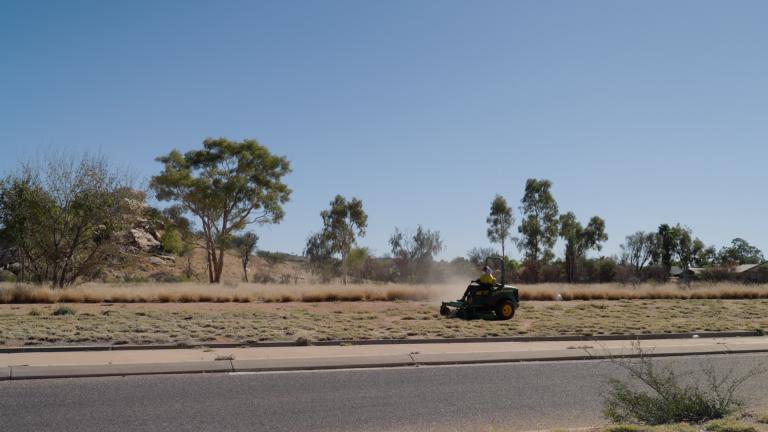
The Remote Jobs and Economic Development program is helping to create jobs across remote Australia in various sectors.
Image: National Indigenous Australians Agency
The Remote Jobs and Economic Development (RJED) program funds community-led projects that respond to local priorities and opportunities. By supporting employment pathways and economic development activities, RJED helps people build skills, gain work experience and access jobs that contribute to their communities.
Funded projects support people to develop work-related skills, gain practical experience and access jobs that contribute to their communities. This approach helps build individual capability while supporting community development and economic resilience.
The program’s investment is already delivering results. In 2025, the first 2 RJED grant rounds were completed and around 1,700 jobs created. Following the finalisation of the third grant round in July 2026, a further 1,300 jobs were approved, bringing the total to more than 3,000 jobs. The approximate breakdown of jobs across remote Australia is:
- Northern Territory: 1,374
- Western Australia: 820
- Queensland: 616
- South Australia: 209
- Western New South Wales: 46
Funded projects reflect the diverse economic opportunities available in remote Australia. They include initiatives that:
- create jobs
- support Indigenous-owned businesses
- strengthen local industries
- build the capability of organisations supporting local employment and economic development opportunities.
This broad approach helps communities develop sustainable economic opportunities tailored to local circumstances.
The program also supports collaboration between employers, community organisations and local leaders to identify opportunities and address barriers to employment. Working together helps create pathways into work and strengthen the foundations for long-term economic development.
A key feature of RJED is its focus on locally driven solutions. Communities identify priorities and design projects that reflect local knowledge, culture and economic opportunities. This approach supports practical outcomes, strengthens community ownership and helps ensure investments deliver lasting benefits.
Through its focus on jobs, skills and enterprise development, the RJED program is helping remote communities build workforce capability and expand economic opportunities. By supporting locally designed initiatives and creating pathways to employment, the program is contributing to stronger communities and more resilient local economies across remote Australia.
See also in this report
A capable and future ready APS, Building APS transformation readiness with the Commonwealth Priority Reforms Roadmap, State of Service Report 2026.
A capable and future ready APS, Partnership-driven reform establishes new national commission, State of Service Report 2026.
Protecting the nation and the region, Critical minerals build Australia’s economic and national security, State of Service Report 2026.
Find out more
Department of Employment and Workplace Relations (2026) What’s Next, DEWR website, accessed 11 September 2026.
Department of Employment and Workplace Relations (2026) Regional Workforce Transition Officers (RWTOs), DEWR website, accessed 2 September 2026.
Institute of Public Administration Australia (2025) Spirit of the Service Awards, IPAA website, accessed 11 September 2026.