



Workforce development and learning

As the government’s operating environment becomes more complex and less predictable, the APS increasingly recognises that technical expertise alone is not sufficient in serving the public. A key trend in workforce development has therefore been a move away from traditional, episodic training programs towards continuous learning and capability building.
Alongside professional knowledge and subject matter expertise, public servants also need adaptive capabilities. This includes collaboration, systems thinking, judgement, learning agility and the ability to lead through change. Public servants face rapid technological change, digital transformation and complex policy and service delivery challenges. These challenges require public servants to continuously learn, unlearn and relearn throughout their careers.
The Delivering for Tomorrow: APS Workforce Strategy 2025 was launched in 2021. It presented a service-wide approach to ensure the APS had the people and skills to tackle immediate and emerging challenges. The strategy focused on 3 key areas:
- attract, build and retain skills, expertise and talent
- embrace data, technology and flexible and responsive workforce models
- strengthen integrity and purposeful leadership.
At the strategy’s end in 2025, workforce development and learning in the APS had evolved. The APS Academy, celebrating 5 years in 2026, has innovated workforce design and delivery. It has done so through:
- practitioner-led learning
- co-learning partnerships and networks across agencies, centres of excellence, and academic platforms
- testing and refining new practices, including learning sprints, communities of practice, social learning networks, just-in-time learning, and cross-agency development opportunities.
Since its establishment, demand for Academy learning and development offerings has grown, with participation rates more than tripling between 2022–23 and 2025–26 from 61,044 to 211,121. E-learning programs have been the main driver of these year-on-year increases.
The APS Professions model reached a new milestone in 2025–26. Three new professions attracted more than 17,500 members in their first full year, demonstrating strong demand for professional development, connection and capability building across the APS. Together, the 6 professions are helping create a skilled, connected and future-ready workforce.
Practitioner-led learning for effective public sector leadership
Practitioner-led learning is central to the APS Academy’s approach to building leadership capability. In partnership with experienced APS leaders from across the service, the Academy offers Senior Executive Service (SES) leadership programs. These draw on and amplify practitioners’ collective wisdom to support the next generation of leaders.
By sharing expertise, experience and judgement, practitioners help emerging senior leaders navigate the increasingly complex challenges of public administration. They offer practical insights into accountability, inclusive leadership and citizen-centred service delivery, grounded in humility and authenticity.

As a proud Aboriginal SES officer, one of the most rewarding experiences of my career has been the opportunity to sit down with a new generation of APS leaders and share what I have learned from both worlds. The structures and disciplines of the public service, and the wisdom, resilience and relational strength of the world’s oldest living culture.
Jason Regan, Branch Manager, National Indigenous Australians Agency and APS Academy practitioner, Closing the Gap
The Academy’s networked partnership approach involves a diverse group of senior leaders. This includes:
- Andrea Henson, Assistant Secretary, Indigenous SES Network Chair
- Carla Jago, Deputy Auditor-General for Australia, Australian National Audit Office (ANAO)
- Jason Regan, Branch Manager, National Indigenous Australians Agency
- Natalie Wade Associate Commissioner and Chief Legal Counsel, NDIS Quality and Safeguards Commission.
Strengthening accountability through experience
Accountability ensures that decisions, actions and outcomes are transparent and can be explained and scrutinised. When embedded in Senior Executive Service (SES) leadership practice, it strengthens confidence that the APS is delivering value and achieving its objectives.
The Australian National Audit Office (ANAO) contributes to the SES Orientation Program through its Accountability Review Bodies sessions. The sessions provide new SES officers with insights into the roles of accountability, integrity and oversight bodies across the APS. These sessions highlight the importance of embedding accountability in everyday leadership and decision-making. They also share practical lessons and common themes observed through audit work, including approaches to managing conflicts of interest, maintaining integrity and navigating complex ethical situations.
Session presenter Carla Jago, Deputy Auditor-General for Australia, emphasises the value of exploring real-world scenarios and discussing challenges in a supportive learning environment.
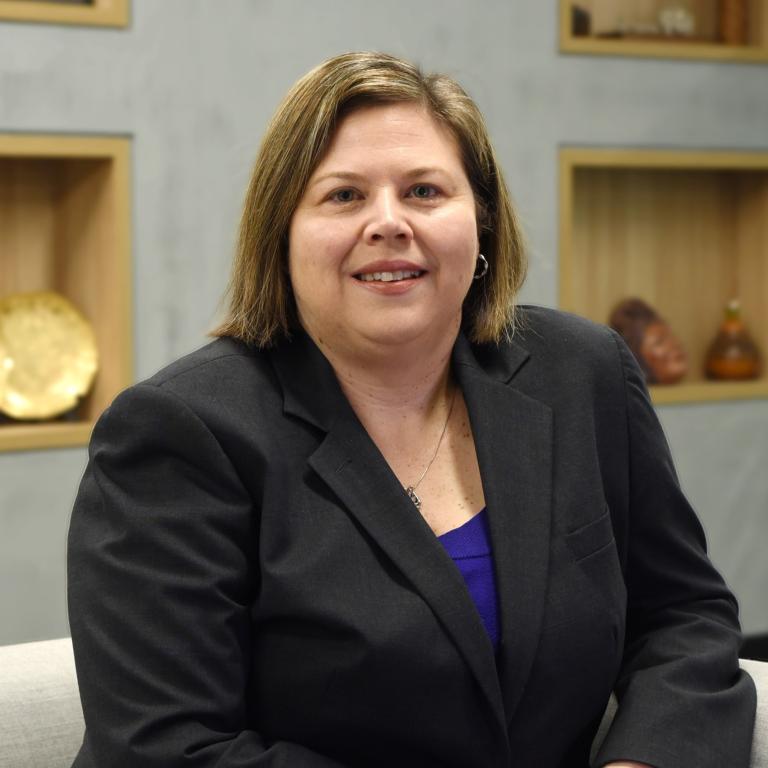
SES leaders have a critical role in fostering a culture of accountability and integrity. Through discussion and shared experiences, the Accountability Review Bodies session supports SES officers to strengthen accountability, model expected behaviours and foster integrity within their teams and organisations.
Carla Jago, Deputy Auditor-General for Australia, ANAO
Building understanding and cultural competence
One of the most impactful sessions in the Senior Executive Service (SES) Orientation Program focuses on Closing the Gap and the role senior leaders can play in advancing outcomes for First Nations Australians. Advancing outcomes occurs not only through policy and program delivery, but through the quality of the conversations and partnerships that help address shared challenges.
In this session, newly appointed SES leaders engage with experienced First Nations leaders to explore complex policy and service delivery environments. Discussions help participants connect strategic leadership with practical insights at system, agency and personal levels.
The conversations are not only focused on compliance, policy frameworks or performance measures; they are about building understanding. They create space for leaders to reflect on how they lead, how they engage with communities and stakeholders, and how relationships influence outcomes.
Andrea Henson, Assistant Secretary, Indigenous SES Network Chair

Led by practitioners from the Indigenous SES Network and Champions Network, the sessions deepen participants’ understanding and strengthen their cultural competence. They do so by combining lived experience, professional expertise and open dialogue.
Bringing community perspectives into leadership practice
Community-centred leadership is at the heart of the APS Academy’s Senior Executive Service (SES) Band 2 Leadership Program. The program’s sponsor is Natalie Wade, Associate Commissioner and Chief Legal Counsel at the NDIS Quality and Safeguards Commission. Natalie brings valuable insights to the program from her experience as a disability rights lawyer, reform advocate and senior public sector leader.
Twenty-three SES Band 2 participants visited Geelong, Victoria, in 2025. They met with local community members and businesses to better understand how government policies and services are experienced on the ground. The visit reinforced the importance of embedding community perspectives in their work and building enduring partnerships with the people and communities the APS serves.
For Natalie, developing leaders who can navigate complexity, build trust and deliver for citizens is central to a future-ready APS.
‘The program’s focus on strengthening leadership capability, with a particular emphasis on adaptive leadership and delivering for citizens, is critical to building a future-ready, modern and inclusive APS,’ says Natalie. ‘Programs such as this support the development of leaders who can navigate complexity, foster trust and deliver meaningful outcomes for the Australian community.’

My experience has consistently shown that meaningful engagement with people who have lived experience leads to more informed decision-making, particularly when addressing complex or polarising issues.
Natalie Wade, Associate Commissioner and Chief Legal Counsel, NDIS Quality and Safeguards Commission and SES Band 2 Leadership Program Sponsor
Maturing the APS Professions model
The APS Professions is a capability-building model, designed to strengthen public sector expertise, skills and networks across critical workforce domains. Three new ones were launched in early 2025:
- Complex Project Management Profession
- Evaluation Profession
- Procurement and Contract Management Profession.
In 2025–26, these new professions achieved significant reach and engagement across the APS workforce.
Together with the human resources, data, and digital professions, which began in 2019, the model continues to mature. In doing so it helps staff to build knowledge and skills in critical disciplines, collaborate, and explore new ways of working. This helps staff to meet the demands of a rapidly changing public service environment.
Complex Project Management Profession
Government projects can be complex, costly and challenging to deliver. They often operate under intense public scrutiny and heightened expectations for transparency and accountability. With more than 5,900 members, the APS Complex Project Management Profession aims to build the capability of APS staff leading or working on complex and large-scale projects.
While no 2 projects are exactly alike, project managers often face similar challenges. They also rely on common practices, tools and methodologies to guide them from initiation to completion. The Complex Project Management Profession promotes the sharing of these resources, tools and insights to strengthen project management capability across the APS.
One example is the development of a lexicon for the APS – a common set of terms and definitions for use across the public service, developed in consultation with multiple agencies. The lexicon promotes a shared understanding of complex project management concepts. It also supports the exchange of ideas and information and encourages ongoing discussion about project management practices. This initiative demonstrates how the Complex Project Management Profession is helping to better equip APS project managers and strengthen the capability of the project delivery workforce.
Heads of the Complex Project Management Profession:
- Chris Deeble AO, CSC, Deputy Secretary, Capability Acquisition and Sustainment Group, Defence (from September 2024 to June 2026)
- Dr Liz Develin, Deputy Secretary, Prevention, Primary Care & Medicare, Health, Ageing and Disability.
Evaluation Profession
Evaluation helps government understand what works, why, and what can be improved for better outcomes. The APS Evaluation Profession delivers regular seminars and engagement opportunities featuring practitioners, experts and academics to approximately 8,000 members. Sessions showcase emerging thinking, innovative approaches and the diverse ways evaluation is applied across government,
“Eval Folk: People of the Profession” was introduced as a regular series, in which evaluators across the APS share real-world experiences on a range of evaluation topics. Participants can ask questions, learn from peers, and explore different career pathways and evaluation approaches. So far 1,022 participants have attended the 3 facilitated sessions held since March 2026.
A testament to collaboration and knowledge sharing, initiatives such as Eval Folk: People of the Profession sessions highlight a key feature of this professions model – building capability across the APS through professional connection and collective learning.
Heads of the Evaluation Profession:
- Danielle Wood, Chair, Productivity Commission.
- Dr Shane Johnson, First Assistant Secretary, Macroeconomic Analysis & Policy Division, The Treasury
Procurement and Contract Management Profession
Building a confident and capable workforce across the APS is being supported by the Procurement and Contract Management Profession. Connecting a growing community of more than 4,000 officials to guidance, resources, and professional development opportunities, it supports the recognition of procurement and contract management skills in delivering government priorities. Officials to develop specialist skills through access to contemporary learning opportunities, international resources, tailored webinars and workshops delivered by professional bodies.
The Procurement and Contract Management Profession is part of a broader suite of efforts. These efforts are designed to strengthen capability across the service and help businesses better understand how to engage with and sell to government. Bringing together government and industry perspectives helps APS officials achieve value for money while supporting a more effective and collaborative marketplace.
Heads of the Procurement and Contract Management Profession:
- Julia Pickworth, Deputy Secretary, Industry and Commercialisation Group, Department of Industry, Science and Resources.
- Marisa Purvis-Smith, Deputy Secretary, Commercial Group, Finance.
See also in this report
A capable and future ready APS, Strengthening APS capability to deliver, State of Service Report 2026.
AI and digital innovation, Building capability for an AI-enabled workforce, State of Service Report 2026.
AI and digital innovation, Innovations in data and digital capability, State of Service Report 2026.
Agency Benchmarking, Senior Executive Service Cultural and Linguistic Diversity, State of Service Report 2026.
Working in the APS, Removing barriers to talent and contribution, Service Report 2026.
Find out more
Australian Public Service Commission (2024) APS Workforce Strategy 2025, APSC website, accessed 11 September 2026.
Australian Public Service Commission (2024) Culturally and Linguistically Diverse Employment Strategy and Action Plan, APSC website, accessed 15 August 2026.